The deposit and who owns the ground
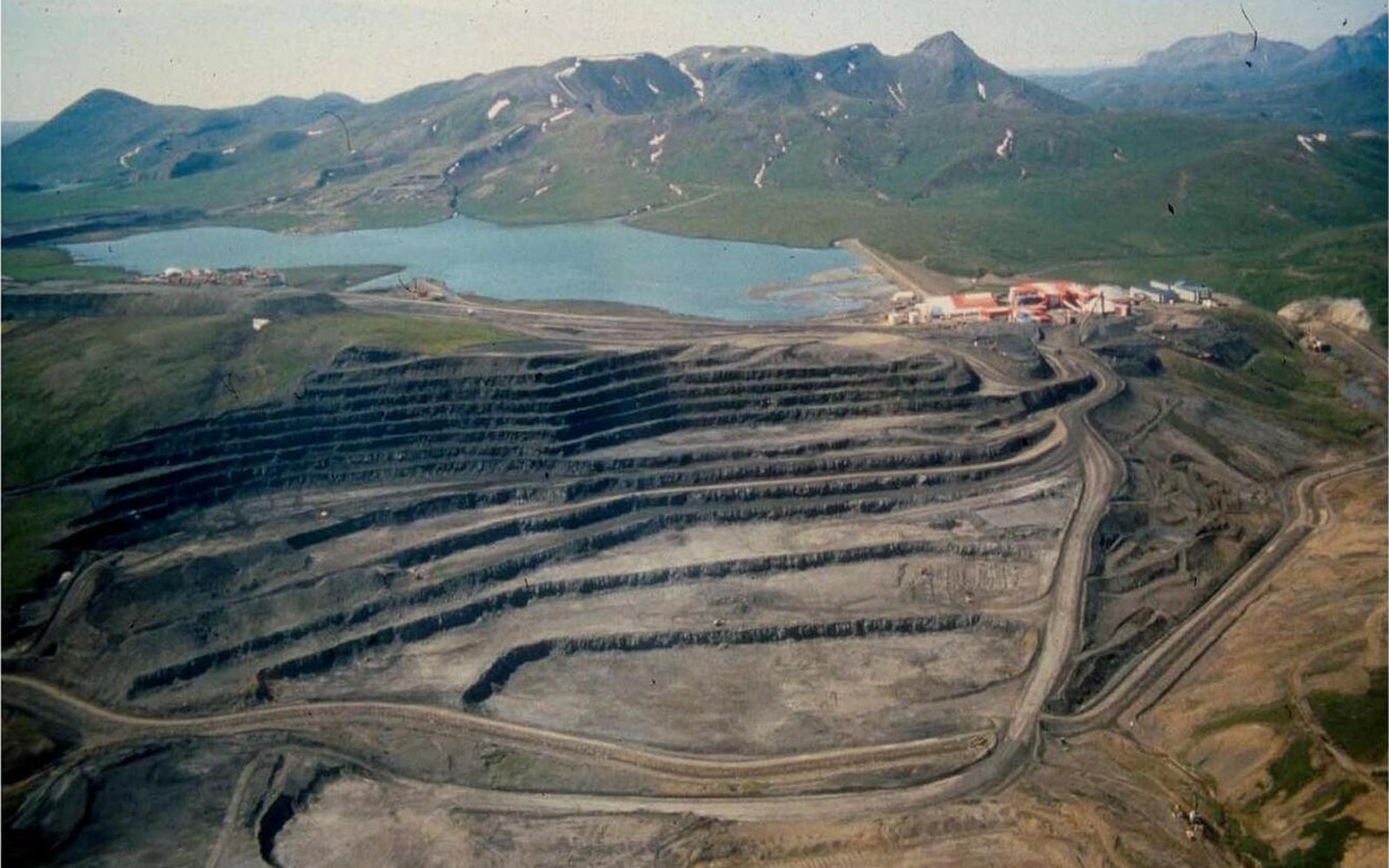
The zinc-lead-silver deposit at Red Dog was identified by geologists in the 1970s, but the ground it sits on had been reorganised legally before a gram of ore was ever moved. The Alaska Native Claims Settlement Act of 1971 extinguished aboriginal title across Alaska and in its place created regional and village corporations that received surface and subsurface title to defined land parcels. In northwest Alaska, the NANA Regional Corporation received the land that included the Red Dog deposit. That sequence — land settlement first, mine second — is why the operating arrangement here is structured differently from most large mines in North America.
NANA holds the land. Teck Alaska Incorporated operates the mine under a lease and operating agreement with NANA, an arrangement that has been in place since the mid-1980s and that gives NANA a royalty on production that escalates over time. The mine began producing in 1989. By any measure of global zinc output, it sits near the top: Red Dog has consistently ranked among the largest zinc mines in the world by annual production, accounting for a substantial share of United States zinc output and a meaningful slice of global supply. The ore body contains zinc, lead, and silver, with zinc the dominant product.
The deposit itself is sediment-hosted — a type of massive sulphide formation called a SEDEX deposit — which means the metal values are disseminated through a large volume of rock rather than concentrated in a narrow vein. That drives the economics of the operation: you move a great deal of material, and you need infrastructure at a scale to match.
The operating agreement between the regional corporation and the operator is the reason the mine exists in this form, and royalties flow through it. A mine on land held by a regional corporation
What the infrastructure actually is
There is no road to Red Dog from anywhere with road access to the outside world. The mine is served by the DeLong Mountain Transportation System, a haul road approximately 52 miles long running from the mine down to a port facility on the Chukchi Sea coast. That road was built by the Alaska Industrial Development and Export Authority, which owns it; Teck pays to use it. The road crosses tundra and permafrost terrain, and the engineering throughout is designed to avoid destabilising the ground beneath it — structures sit on gravel pads thick enough to insulate the permafrost from the heat a building generates.
The port facility at the coast has no natural harbour. The Chukchi Sea here is shallow, and ore-concentrate vessels cannot approach the shore. Instead, concentrate is trucked down from the mine, stockpiled at the port, loaded onto barges, and lightered out to larger vessels anchored offshore. The entire year's production moves in a shipping season that runs roughly from late July to October, when the coast is free of sea ice. Outside that window, the sea is closed. The logistical consequence is that every decision about production volume, concentrate storage, and shipping scheduling is made against that hard annual constraint.
The mine site itself sits at roughly 900 metres elevation in the De Long Mountains, the western end of the Brooks Range. The climate is arctic: winters are long and cold, summers brief. Freeze-up and break-up are not incidental to the calendar here; they determine when the river behaves as a river and when it does not, which matters directly to the question of what the mine can discharge and when.
Why the watershed matters
The Wulik River drains the area around and below the mine. It runs southwest from the De Long Mountains and reaches the Chukchi Sea near Kivalina. Kivalina's residents, who are Iñupiat, rely on the river for Dolly Varden char — fish that move between the sea and specific river reaches, including the upper watershed, to overwinter in cold, oxygenated groundwater. The char are a subsistence resource, which in Alaska has a defined legal meaning: harvest for personal or family use, with a priority under state and federal law that precedes sport or commercial use.
Those limits, and the monitoring record against them, are the terms on which the operation continues.
The ore at Red Dog contains zinc, lead, and cadmium. Tailings — the processed rock left after ore minerals are removed — and process water all contain elevated concentrations of those metals. The operating permit sets discharge limits. Monitoring stations on the Wulik and its tributaries measure metal concentrations continuously and on a scheduled sampling basis. The datasets now span decades, which is unusual for a watershed this remote, and they exist specifically because the operating permit required them.
What those datasets show is that metal concentrations in the Wulik have been detectable above background levels in some reaches and periods, and the history of the permit has included amendments, compliance reviews, and engineering changes to water management at the mine as a result. The tailings impoundment and the management of contact water — water that has touched ore or waste rock — are the central engineering challenges of operating here. The ground freezes and thaws on a seasonal cycle; containment structures that perform reliably across that cycle, year after year, are not a routine problem.
The stretch this piece is about: Kivalina at the mouth, Red Dog at the head, the De Long Mountains behind both.
Geometry: project map kit
The Environmental Protection Agency and the Alaska Department of Environmental Conservation are the permitting authorities. Discharge limits under the National Pollutant Discharge Elimination System define what Teck may release to the watershed and at what concentrations. Those limits, and the monitoring record against them, are the terms on which the operation continues.
Scale and duration
Red Dog has now been in production for more than three decades. The ore body is large, and mine-life projections have been revised more than once as additional resources were identified. As of the early 2020s, the operation remained active, with the current mine plan extending into the 2030s, though projections of this kind depend on commodity prices, permitting continuity, and resource delineation that continues as mining proceeds.
The scale of zinc production at Red Dog has real economic weight in a part of Alaska with few other formal wage employers. The NANA-Teck agreement includes provisions for NANA-shareholder hiring preference, and the mine has for many years employed a substantial proportion of its workforce from the NANA region. How those employment and royalty flows interact with subsistence economies and community governance is documented in the record of NANA's shareholder communications and in state and federal project reviews — a set of trade-offs that the agreement's architects put on paper in the 1980s and that the region has been living with since 1989.
The ore body, the road, the shallow coast, and the river are a single system. You cannot understand the monitoring of the Wulik without knowing what sits at its head.