The run sets the schedule
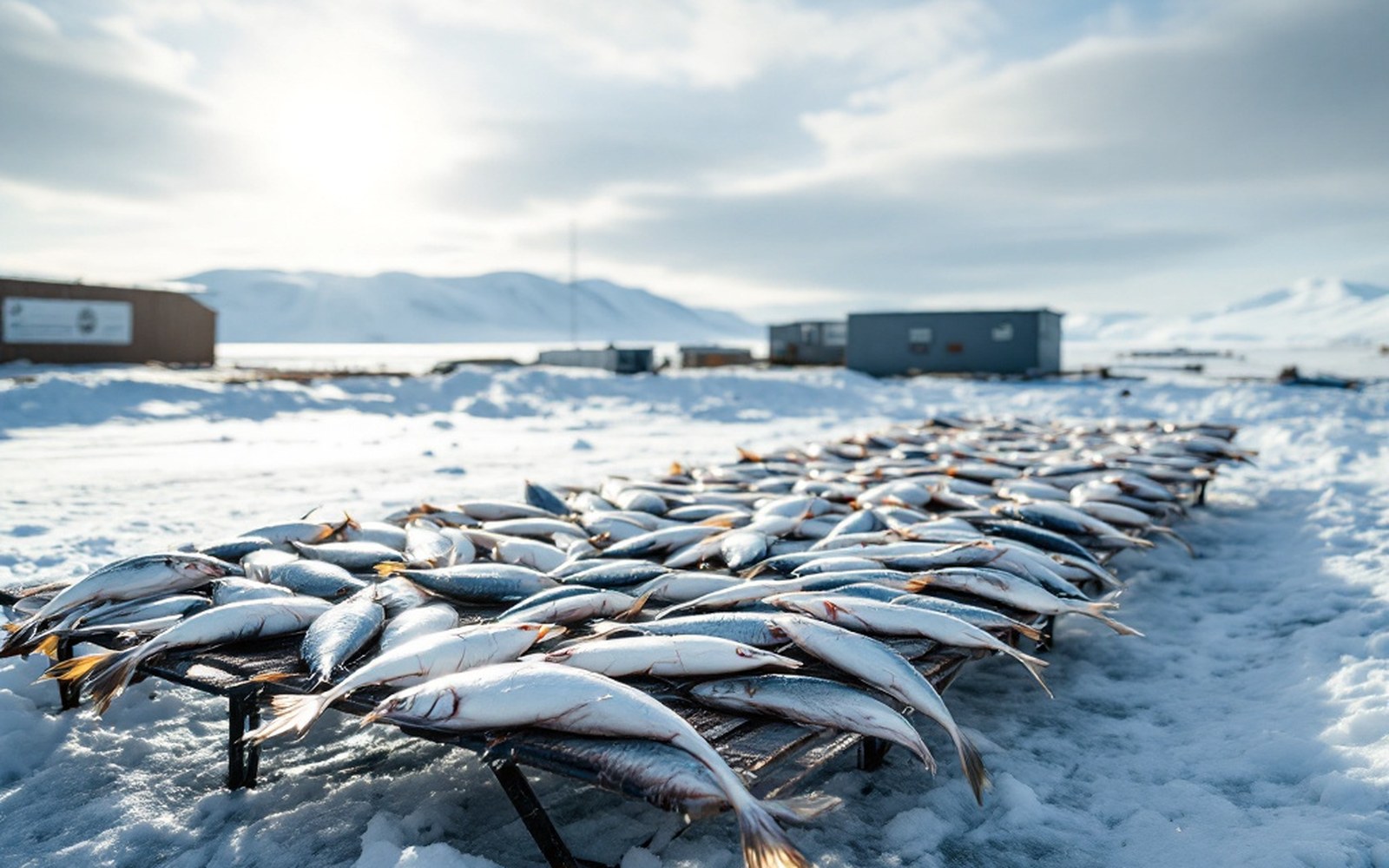
Dolly Varden (locally called Arctic char) in the Wulik system are anadromous — they feed in the Chukchi Sea through summer and return to fresh water each autumn to overwinter in specific river reaches, usually deeper pools that stay liquid beneath the ice. That return is not approximate. Communities along the lower Wulik and at Kivalina have tracked it long enough that the timing carries the same weight as any calendar date: when the char come back, the nets go in; when the char thin out, the nets come out.
The practical consequence is that the harvest season organises itself around fish biology rather than administrative convenience. Late summer through early autumn is the window before freeze-up makes the river inaccessible; the char stack in the river as water temperatures drop, and that concentration is what makes harvest viable at scale. The fish are using the same physics the people are: cold water is where the char survive winter, and cold water is also when the country becomes navigable by snowmachine once it locks solid. The harvest window falls in the weeks between.
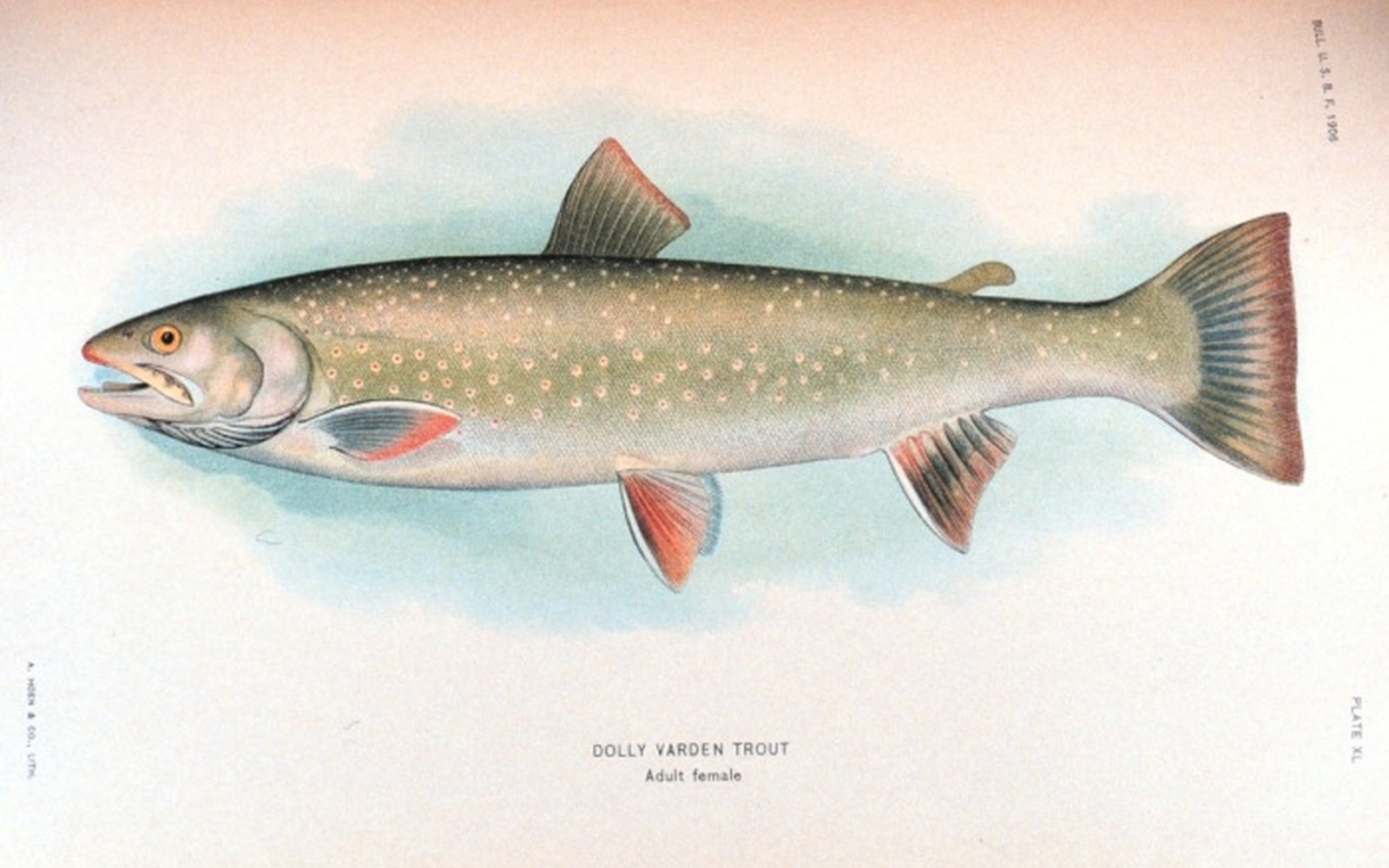
Dolly Varden are the species most closely associated with this pattern in the Wulik watershed. They are a char — the genus Salvelinus — and their life history is built around that return migration. A population that feeds at sea all summer and crowds back into a specific overwintering reach every autumn is a population that is legible if you know the river. It is also a population that is vulnerable if the timing shifts, or if the reach is disturbed.
What the timing asks of people
A subsistence fishery organised around a specific run window demands logistics. Nets, racks, fuel, storage — all of it has to be positioned before the fish arrive, because the arrival doesn't wait. At Kivalina, the barrier-island geography adds another constraint: weather windows for crossing the lagoon or moving gear along the coast are independent of the fish, and sometimes they don't align. A storm that pins boats onshore during the peak run is not a minor inconvenience.
The char run also falls in the same weeks as other significant activity in the watershed. The Red Dog Mine shipping season runs from roughly late July through October, when the Chukchi coast is clear of ice, and ore concentrate moves through the port near Kivalina during the same period the fish are staging. The DeLong Mountain Transportation System haul road runs year-round, but its heaviest traffic through the upper Wulik watershed coincides with the same seasonal frame. These overlaps are not trivial — they are the reason water-quality monitoring in the Wulik system is continuous rather than spot-checked, and why discharge standards matter beyond the mine's immediate neighbors.
The char's requirement for clear, cold, well-oxygenated water is well documented. The upper Wulik, where the mine sits, discharges treated water under a permit administered by the Alaska Department of Environmental Conservation; the terms of that permit reflect, among other things, the biology of the fish using the watershed. The requirement that the river remain suitable for anadromous fish is written into the operating framework because the fish were there first, and the harvest they support is a documented subsistence use under federal law.
The calendar underneath the calendar
What the char run produces, in practical terms, is a second calendar running beneath the administrative one — one calibrated to water temperature, light levels and the fish's own internal schedule rather than fiscal quarters or shipping contracts. Break-up in spring sets the upstream limit of ice-free travel; the char's return in autumn sets the downstream limit of the harvest season; freeze-up closes both. Between those poles, the year's decisions stack up.
That this calendar has persisted through the construction of a major mine, a haul road, and a shipping terminal at the river's mouth is not incidental. It persists because NANA Regional Corporation, which holds the land and structured the mine agreement, is itself composed of shareholders from the villages that use the river. The arrangement was designed, at least in part, so that the fish calendar could continue. Whether it does is what the monitoring record is for.